Mission from MaRS is a series of ambitious technology adoption programs addressing the climate crisis. Mission from MaRS: Better Buildings aims to bridge the gap between innovation and commercialization by working with cleantech ecosystem leaders to scale climate solutions, grow Canada’s economy and create a more livable, climate-forward built environment.
This accelerator recruited six Canadian ventures working to solve the housing sector’s greatest sustainability challenges, and support their commercial deployments to broad-scale adoption.
Applications for the next cohort will open in late 2026.
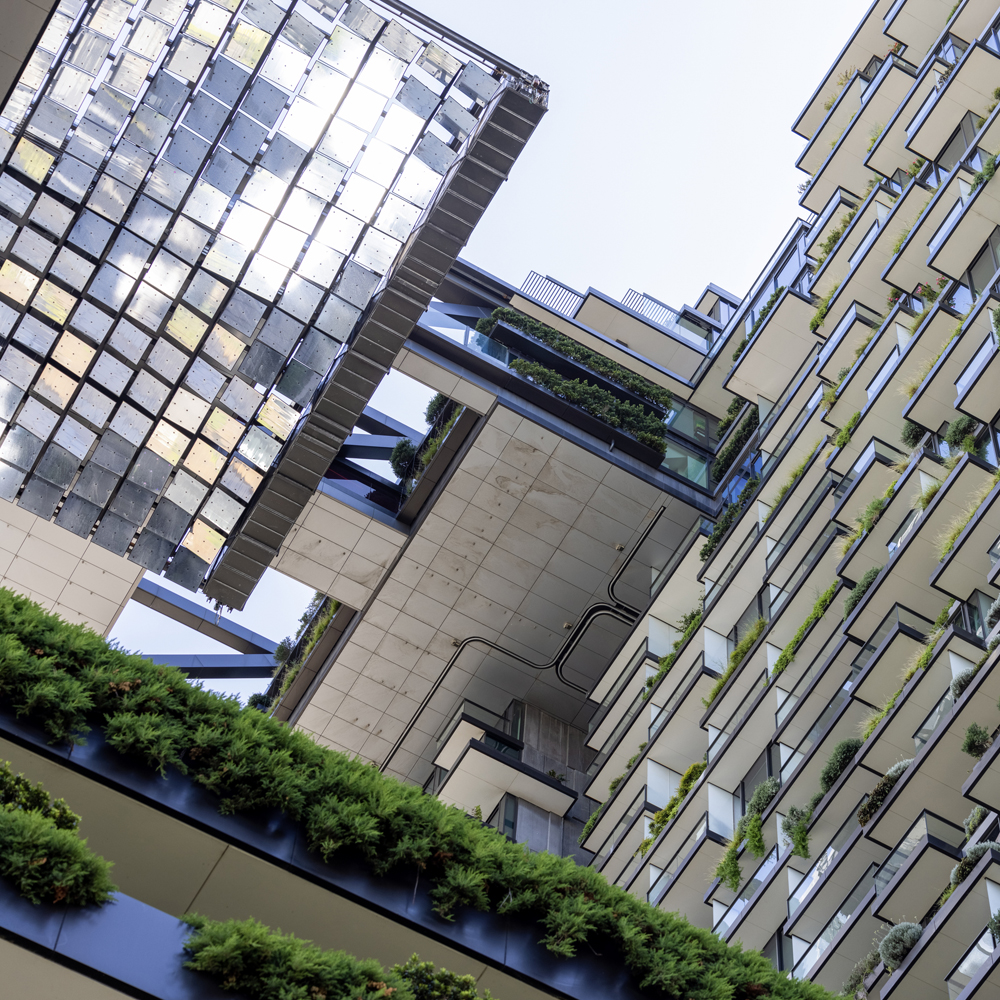
How is MaRS involved?
MaRS Discovery District will provide the six chosen ventures with hands-on advice, mentorship, market insights, networking opportunities and critical connections to capital. The industry-informed program aims to prepare high-potential ventures for industry-wide adoption of their technology and facilitate connections to potential adopters, with a pathway to scale.
How is MaRS involved?

Program objectives
We’re helping Canadian innovation lead the way to a sustainable, future-forward built environment.
Our mission objectives:
- Reduce the operational emissions of Canada’s existing buildings through the adoption of innovations.
- Lower the embodied carbon of new buildings by accelerating the uptake of low-carbon building materials and methods.
- Amplify the role of Canadian cleantech in existing efforts to create a more resilient, adaptive and affordable built environment.
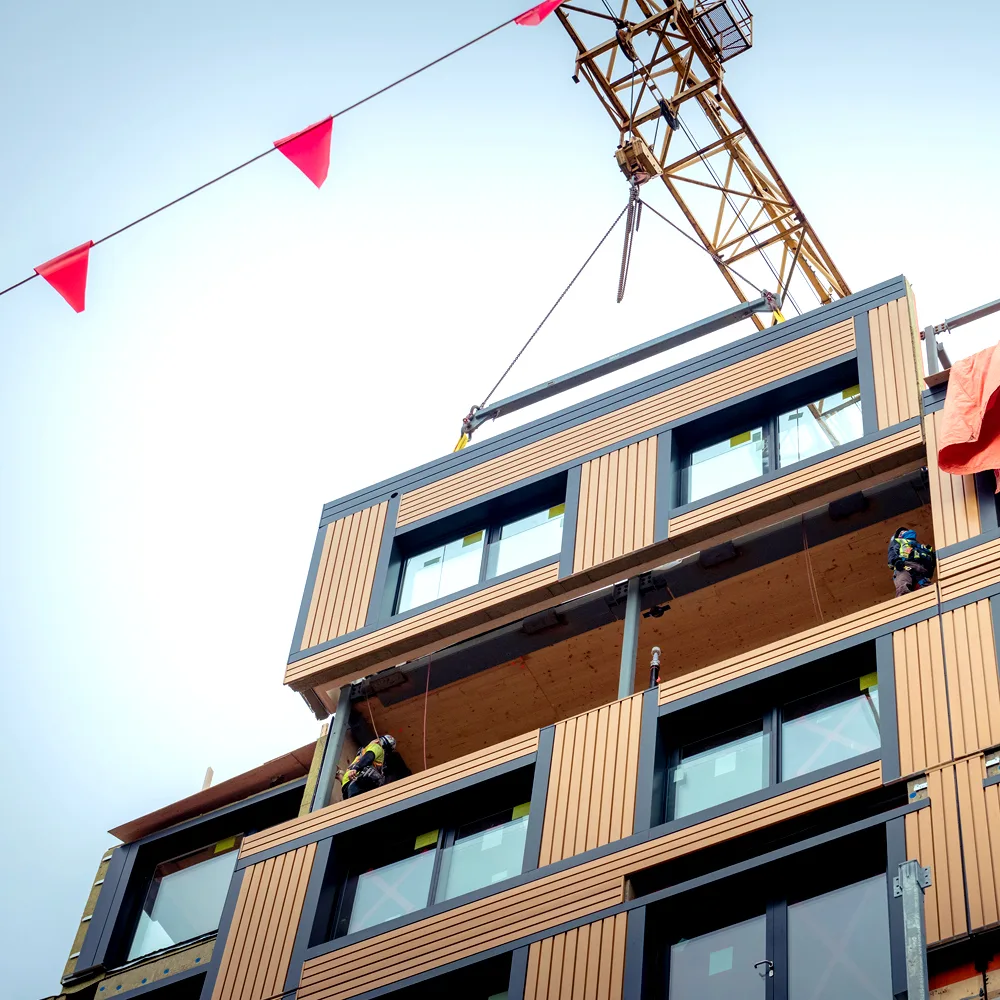
The 2026 cohort focuses on housing technology solutions for new builds and retrofits
Working with real estate owners, operators, developers and industry experts, Mission from MaRS has identified key technologies and innovations shaping the housing sector. Supported by the Adoption Accelerator, these solutions address the demand for tech that supports both operational and embodied carbon reduction.
The 2026 cohort focuses on housing technology solutions for new builds and retrofits

Technologies we are looking for: Embodied carbon innovations
Low-carbon building materials and methods that lower the embodied carbon of new homes, including:
- Like-for-like material replacements with low embodied carbon, such as concrete, steel, insulation and cladding.
- Low-carbon and carbon-negative products, including biomaterials and wood/mass timber.
- Clean construction techniques, equipment and software that optimize on-site fuel use and smart ordering platforms, and innovations in large-scale development processes.
- Technologies that boost construction efficiency and lower embodied carbon, such as off-site construction and modular prefabrication.
- Solutions that support compliance with embodied carbon regulations, including the tracking of projects from initial design to completion.
- Other solutions, including:
- Densification enabling technologies (ground-up or existing).
- Disruption in design to generate options and/or optimize efficiency.
Technologies we are looking for: Embodied carbon innovations
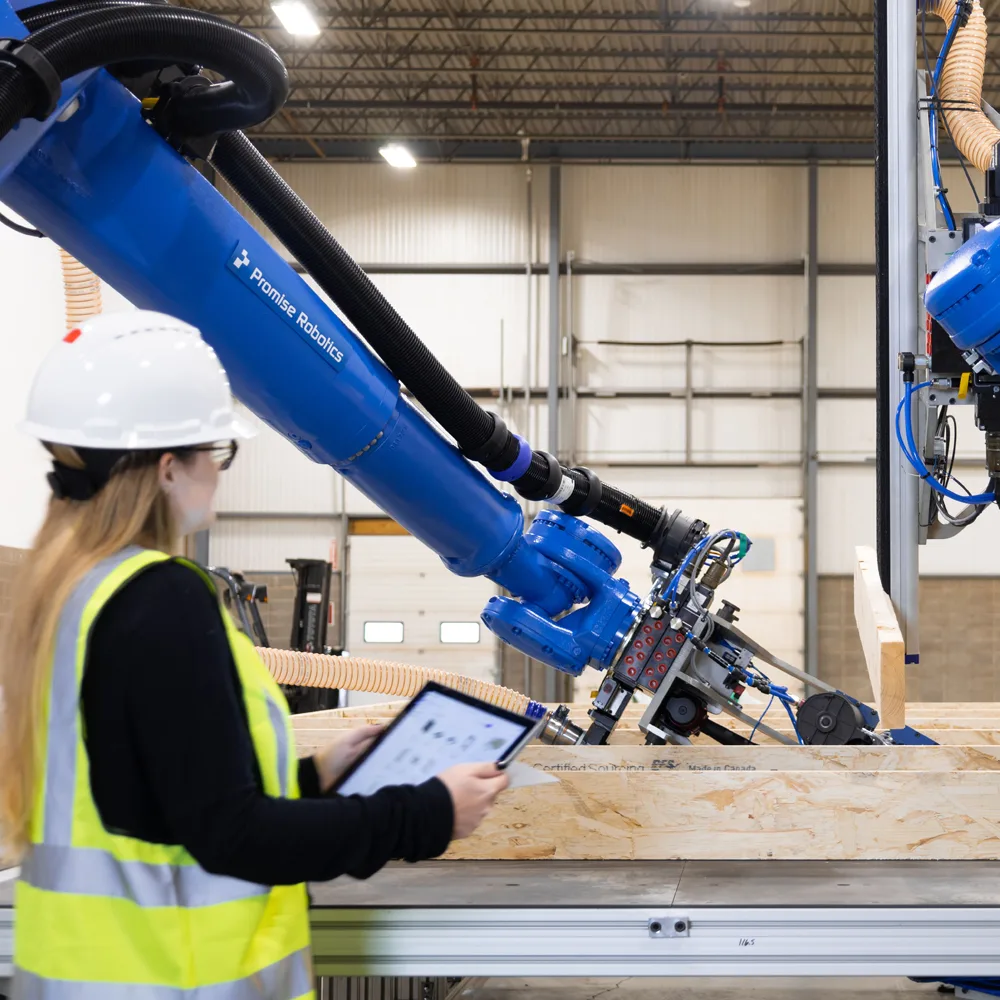
Operational carbon innovations
Innovations that can reduce the operational emissions of Canada’s existing residential buildings, including:
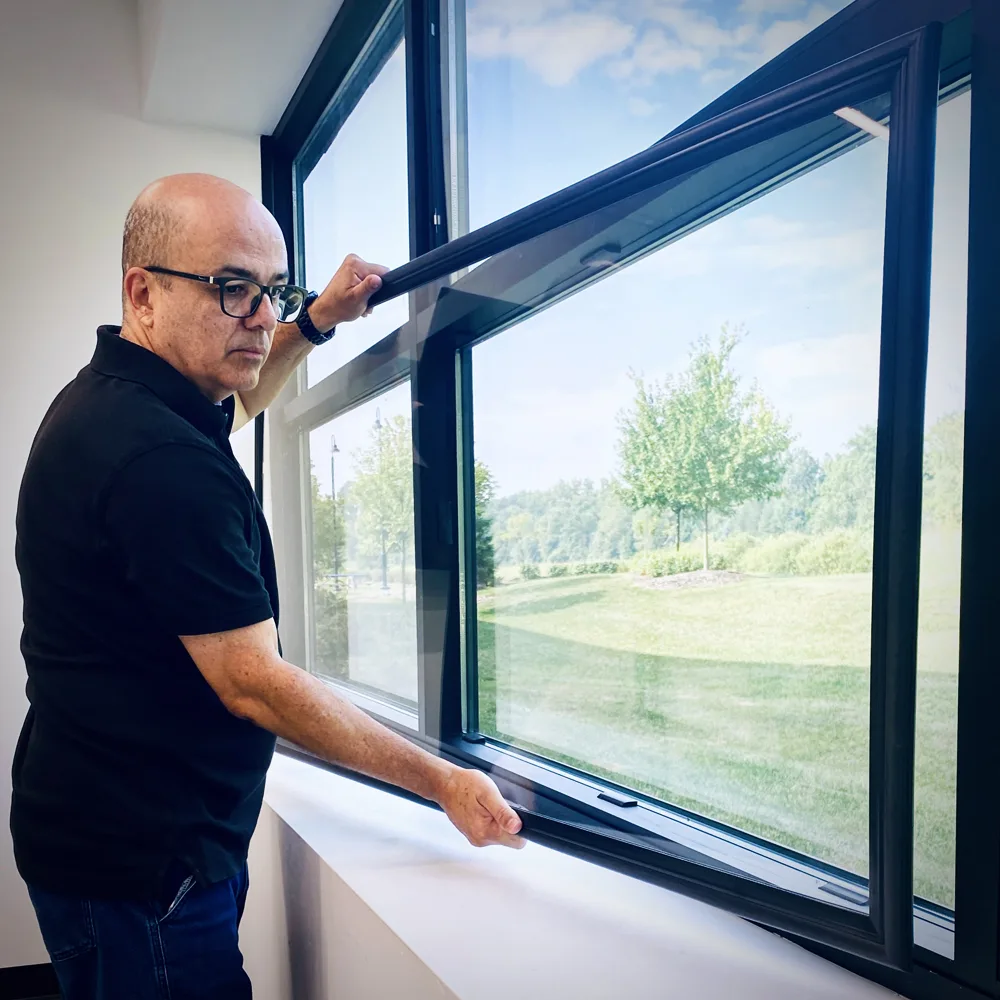
- Technologies for building envelope, cladding or other forms of passive energy efficiency improvements (including improved openings and windows installation and materials).
- Advanced mechanical systems, including electrification of heating and cooling, humidification management and mechanical ventilation.
- Renewable energy generation and/or energy storage solutions.
- Refrigerants or alternatives with low global warming potential.
- Utility load shifting and/or management technologies, as well as controls and software to improve automation, monitoring and control, which boosts comfort and reduces controller error.
- Other operational emission reduction solutions.
Participant benefits
Accelerator participants each have access to:
- Case-by-case support, including introductions with potential adopters, capacity support to seek funding for pilot/commercial deployment, project implementation/procurement process support and relationship management.
- A curriculum of workshops to help prepare for commercial success, designed by MaRS experts with feedback from potential industry adopters.
- Enhanced public profile and exposure through the Mission from MaRS Climate Champion brand, including press releases, case studies, media reports, pitching and speaking opportunities and attendance at cleantech industry events.
- Curated introductions to domestic and international investors.
- Access to mentor networks, investor showcases and curated events with industry experts, customers, and partners.
- Access to MaRS market intelligence, capital, talent and communications services.
- Opportunities to build relationships with fellow selected ventures and industry coalitions through ongoing workshops and activities.
- The opportunity to access a special-purpose grant ranging from $10,000–$25,000, to be used toward commercial projects (six available).
Participant benefits

Program eligibility criteria
As it relates to the Climate Technology solution featured in the Company’s Application, the Company must at the time of application:
- not be a subsidiary of a larger parent company that would otherwise not be eligible for the Accelerator;
- be incorporated, based, and operating in Canada;
- be majority owned by Canadian shareholders;
- have been established for at least one year since the application start date;
- own a housing decarbonization solution with applicability to the residential sector, including the intellectual property of any technology relevant to the Solution;
- the solution must, in MaRS’s opinion:
- have the potential to significantly reduce GHG emissions or ongoing contributors to global warming, and/or address the impacts of climate change;
- be proprietary and/or patentable; and
- have the potential to be scaled for major impact;
- be a small and mid-sized enterprise (SME), as defined by Innovation Science and Economic Development (ISED) Canada; and
- fall within TRL6 and TRL9 on the nine-point Technology Readiness Level spectrum, as defined by Innovation, Science and Economic Development (ISED) Canada:
- TRL 6: System/subsystem model or prototype demonstration in a simulated environment.
- TRL 7: Prototype ready for demonstration in an appropriate operational environment.
- TRL 8: Actual technology completed and qualified through tests and demonstrations.
- TRL 9: Actual technology proven through successful deployment in an operational setting
Program eligibility criteria



Frequently asked questions (FAQ)
How do I apply?
What technologies are eligible for the Mission from MaRS: Better Buildings Adoption Accelerator?
What are your selection criteria?
How will the information I submit be used?
If I am selected for the final cohort, will information (intellectual property, financial information, etc.) about my research and project be kept confidential?
Do you take any equity in the projects?
If I have other questions, who can I contact?
Foire aux questions (FAQ)
Comment puis-je participer?
Quelles technologies sont admissibles au projet Mission MaRS : Accélérateur d’adoption de meilleurs bâtiments?
Comment seront utilisées les informations que je soumettrai?
Si je suis sélectionné dans la cohorte finale, est-ce que les informations à propos de ma recherche et de mon projet (par exemple, les propriétés intellectuelles et les informations financières) resteront confidentielles?
Est-ce que vous prendrez une participation dans le projet?
Quels sont vos critères de sélection?
Avec qui dois-je communiquer pour poser des questions?
The Better Buildings Adoption Accelerator is generously supported by the Peter Gilgan Foundation

The Better Buildings Adoption Accelerator is generously supported by the Peter Gilgan Foundation