6 housing solutions that are transforming the way we live

Startups in the second cohort of the Mission from MaRS: Better Buildings Adoption Accelerator are working on viable ways to decarbonize existing homes and construct more sustainable new ones.
With carbon emissions and temperatures rising alongside housing prices, it’s clear we can’t keep building the same way. CMHC estimates that Canada needs to build at least 4.3 million additional homes by 2035. Within that timeframe, we also need to radically reduce greenhouse gas (GHG) emissions. As buildings are responsible a large proportion of our annual carbon emissions — close to 30 percent — transforming the way we build and operate our homes can have an outsized impact.
“We have a generational opportunity. By building more sustainably, we can solve the housing crisis, address the climate crisis and help grow the economy,” says Ria Perrault, manager of climate programs at MaRS. “The solutions we need already exist. We just need to find ways to accelerate their widespread adoption — these technologies need to become the standard.”
To help high-potential startups scale residential housing solutions, MaRS is launching a second cohort for the Mission from MaRS: Better Buildings Adoption Accelerator. The six companies selected for this program are tackling GHG emissions from all angles: optimizing building materials, tackling inefficiencies in manufacturing and tapping new sources of energy. Over the coming months, these startups will receive targeted support and resources, including advisory, market insights, connectings to capital, mentorship, networking and marketing to help them grow their businesses.
Meet the six startups redesigning the places we live in.

Phil De Luna co-founded Cura Climate last summer.
CURA Climate is mixing up low-carbon cement
What it does: CURA Climate has set its sights on decarbonizing cement, one of the most widely used and carbon-intensive building materials, accounting for around 7 percent of global carbon emissions. A large proportion of those emissions are generated in the manufacturing process, when limestone is heated to extremely high temperatures to create lime (the binding agent in cement). CURA is developing a lighter approach. A UBC spinout, the startup uses an electrochemical pre-calcination process that splits limestone into pure carbon dioxide and zero-carbon reactive lime. The company captures the carbon dioxide, which can be permanently stored or used in other climate solutions, while the low-carbon lime can be used in low-embodied-carbon cements and other building products.
How it can help: CURA’s technology uses renewable electricity to separate out the lime before it enters the kiln, sidestepping the massive amounts of carbon emissions of traditional approaches. The Calgary-based startup estimates its method could reduce emissions by up to 85 percent.
What’s next: CURA is gearing up to launch a pilot project by the end of this year, says co-founder Phil De Luna. And the company is in talks with several multinational cement firms to integrate low-carbon lime into existing and new product lines for residential buildings.
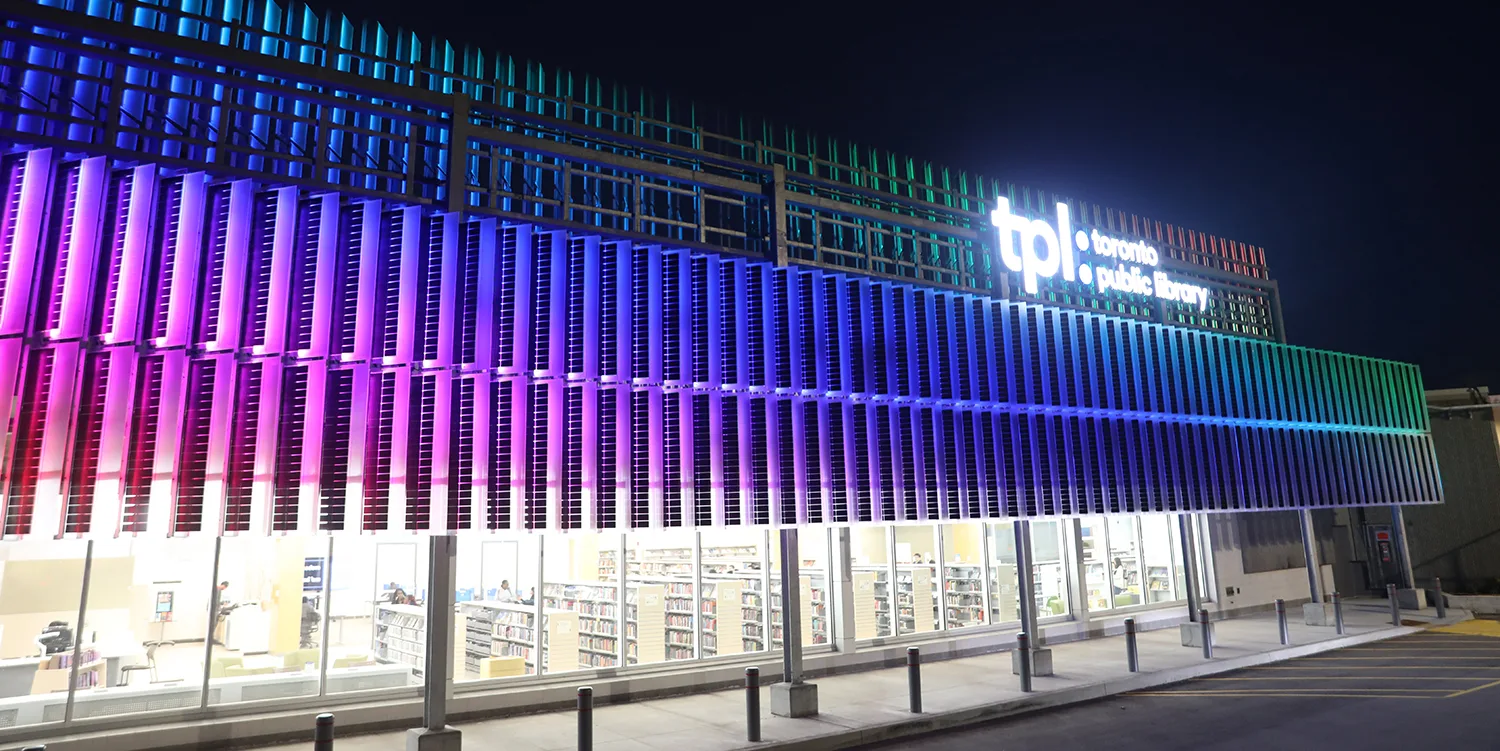
Morgan Solar harnesses the power of the sun
What it does: Morgan Solar’s array of products taps into the world’s most abundant energy source: the sun. The Toronto-based company makes blinds, louvres and other solar shades that generate electricity and lower energy costs with a smart control algorithm that combines dynamic thermal management, daylight optimization and solar electricity generation. Sensors on the blinds open and close automatically depending on a building’s thermal and illumination needs. When closed, built-in solar cells convert the sun’s rays into electricity that can service other needs.
How it can help: “When properly designed, blinds can offer surprising energy efficiency benefits,” says Nic Morgan, vice president of business development. “By taking advantage of the insulating and thermal reflective properties in the embedded solar cells, we can significantly improve a space’s energy efficiency by managing heat gain, heat loss and increasing diffuse light.” Per metre squared, Morgan Solar estimates its products can save more than 30 kilograms of carbon emissions per year. For an office building with 200 windows, this could mean up to 36 tonnes saved annually.
Latest milestone: Since commercially launching its latest product, Energy Blinds, last year, Morgan Solar has seen significant interest and sales growth. Last year, Toronto’s Bridlewood Library added a new Morgan Solar-designed power array with 423 pairs of custom photovoltaic panels and optical LED louvres, saving energy and managing heat by day and lighting up into a community landmark by night.
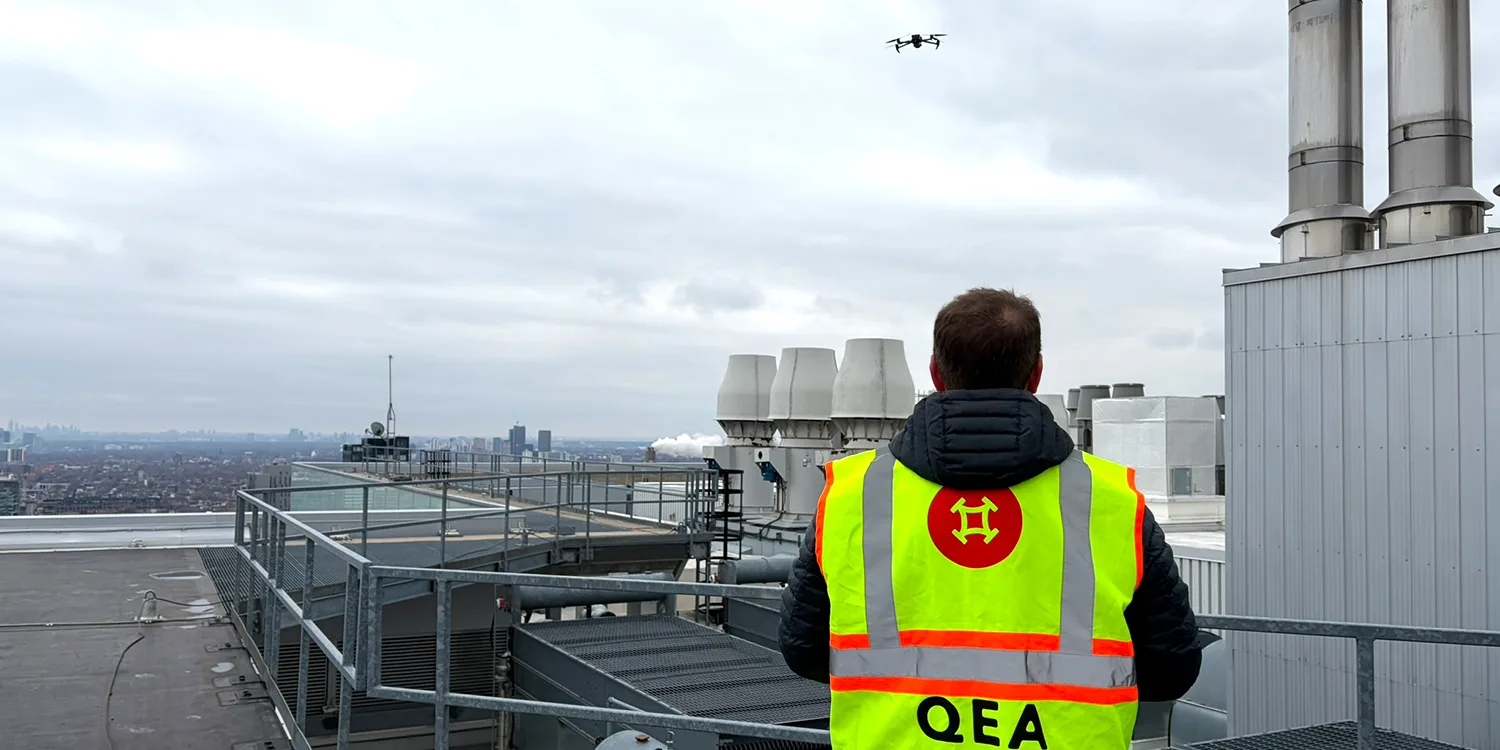
QEA Tech detects energy loss
What it does: Markham, Ontario-based QEA Tech deploys drones to assess the “health” of a building. The company collects thousands of visual and thermal images with high-resolution sensors, which are used to create a 3D model of the structure. QEA Tech then quantifies energy loss for each square centimetre using its AI platform, which identifies insulation gaps, air leaks and other thermal defects. Its drone inspections take just a few hours to complete.
How it can help: The majority of a building’s heat loss occurs through its envelope, and QEA Tech helps building managers to prioritize repairs and capital projects that can help reduce both energy costs and carbon emissions.
Latest milestone: “We are closing in on 1,500 building envelope audits completed,” says Justin Kim, vice president of growth at QEA Tech. The startup is now working with leading partners in architecture, engineering and facilities management. The company also recently added a Boston office to meet significant demand in the United States.

Parinaz Pakniat is the CEO of modular housing firm PakVille.
PakVille is building modular homes with recycled materials
What it does: Founded in 2023, PakVille takes a multi-pronged approach to save energy on both building materials and construction. Headquartered in Dorval, Quebec, PakVille manufactures engineered panels made from 100 percent recycled materials that developers and contractors can then assemble to build multi-level dwellings using the company’s modular designs.
How it can help: Its panels can reduce energy consumption by 15 to 20 percent compared to conventional materials while also lowering construction costs by as much as 35 percent, says founder and CEO Parinaz Pakniat. A recreational tourism project currently under development in L’Ange Gardien, Quebec, consisting of 10 sustainable cottages, is projected to divert the equivalent of 1.5-million plastic bottles from landfill.
“The strength and durability of our panels often surprise people,” says Pakniat. “We sometimes hand a hammer to customers and invite them to try to damage one. Even with very forceful impacts, the panel remains intact.”
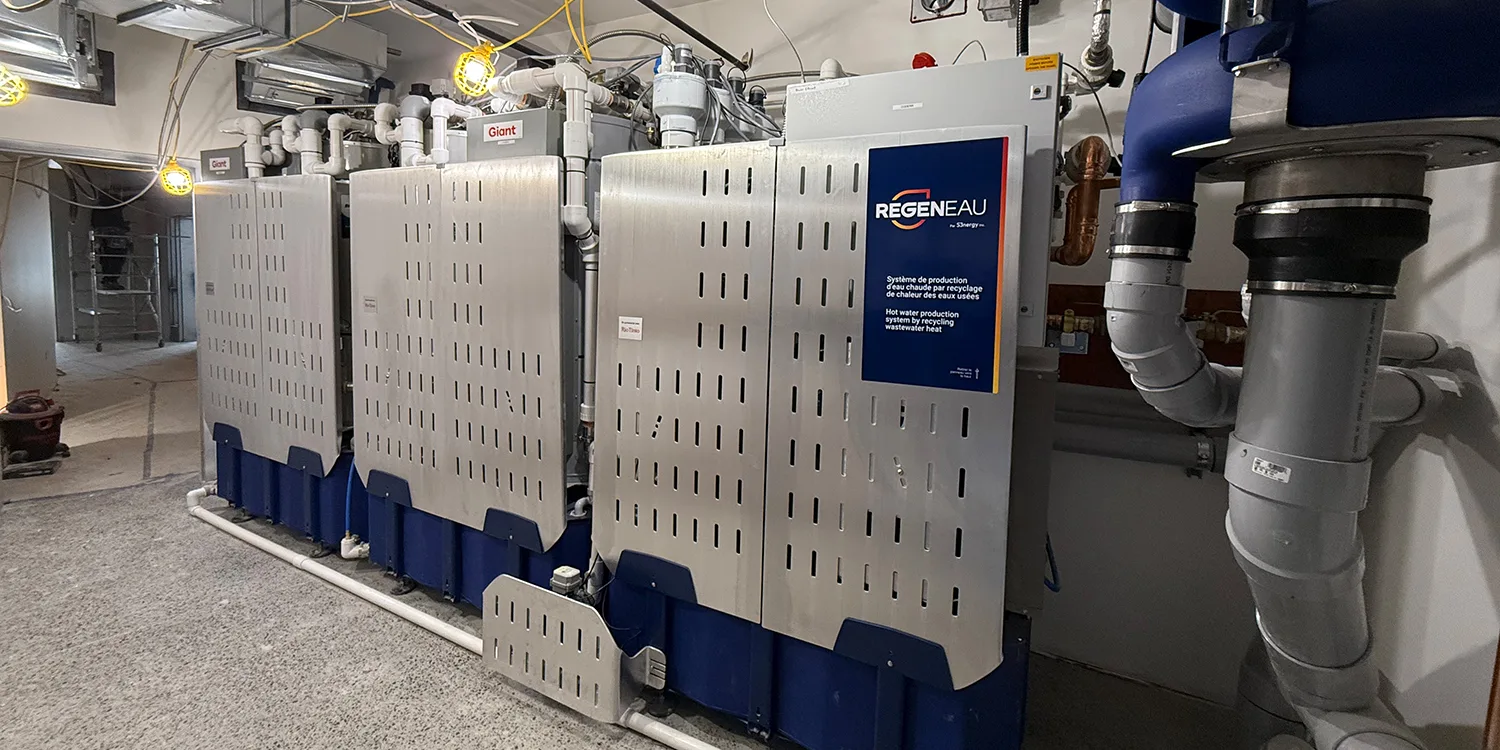
RegenEAU recycles heat from an unexpected source
What it does: RegenEAU is working to ensure nothing goes to waste. The Quebec City startup has patented a unique plug-and-play plumbing solution that captures thermal energy from wastewater to preheat incoming clean water, which helps building managers reduce energy bills and emissions. Its heat-recovery system, which separates solids and liquids from wastewater, doesn’t require any energy to run or on-going maintenance, which makes it a cost-effective retrofit for older buildings.
How it can help: According to CEO Alejandro Gaviria, “Close to 30 percent of the energy consumed by residential buildings is used to heat domestic hot water, and we ‘flush’ a lot of that energy right down the drain.” By increasing the energy efficiency of buildings, RegenEAU’s technology also helps bring down costs.
Latest milestone: In April, RegenEAU delivered a proof-of-concept of its system in a residential building in Paris, France, which aims to recover up to 60 percent of the heat contained in the building’s grey and black water. “We are excited to demonstrate how easily our solution can be implemented in existing buildings with minimal investment,” says Gaviria.
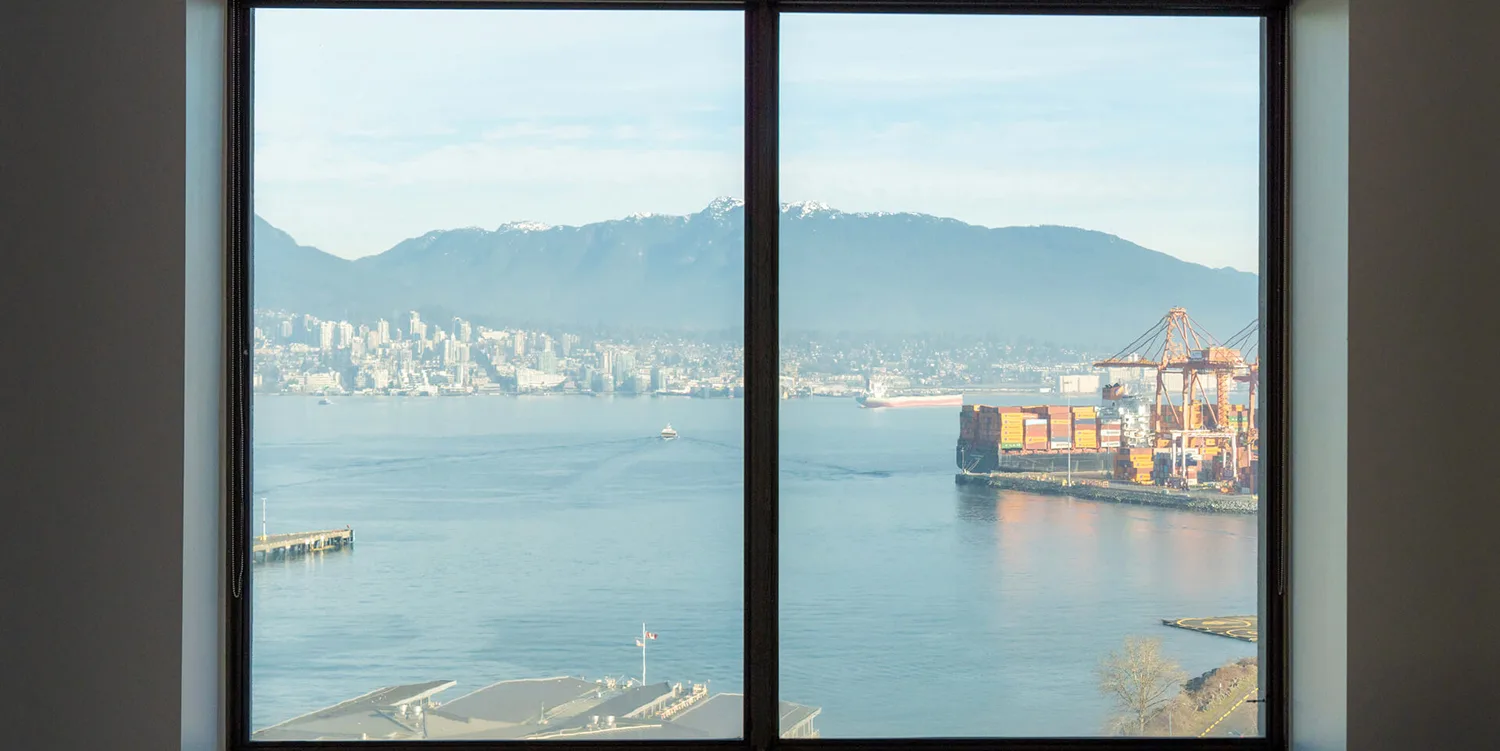
TwinGlaze is building a draft-free solution
What it does: This Vancouver-based startup has created an easier way to update windows in older buildings. Launched in 2025, TwinGlaze has developed a high-performance window insert that upgrades aging single-pane windows into triple-pane-equivalent systems with a transparent insulating layer, creating a barrier that reduces heat transfer and air leakage.
How it can help: Older windows are notorious for energy leaks, owing to loose seals, worn weatherstripping and thin glass. TwinGlaze CEO Sandy Wilson estimates that his solution can save up to 40 percent in energy costs and up to 322 tonnes of carbon dioxide annually when implemented in buildings constructed between 1950 and 1990. And because these inserts can be installed from the inside, there are no demolition costs and minimal disruption for tenants.
What’s next: Already working on projects in British Columbia with BC Hydro and FortisBC, TwinGlaze is also in discussion with other utilities, such as Enbridge, National Grid and Efficiency Manitoba.
Want to learn more about how Canada can accelerate the adoption of sustainable housing solutions? Visit Mission from MaRS: Better Buildings.
Photo illustration by Stephen Gregory; Images: Unsplash
 Dylan Adamson